[bt_section][bt_row][bt_column width=»1/1″][bt_hr top_spaced=»topSpaced» bottom_spaced=»not-spaced» transparent_border=»noBorder» el_class=»» el_style=»» responsive=»»][/bt_hr][/bt_column][/bt_row][/bt_section]

whatsapp-image-2021-06-23-at-1850001-1200x553.jpeg

2 julio, 2021 NewsWestern0


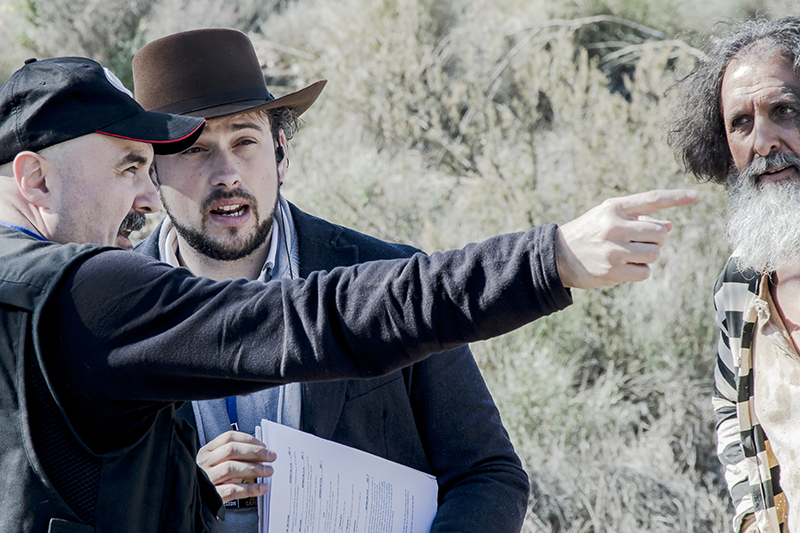
The director Manuel Olaya continues his journey after the legendary success of the film ¨Arizona¨, being selected in more than 92 official competitions around the world; and is preparing his new film production INFORTUNIO, which he will record entirely at the Oasys MiniHollywood sets.

This new story will narrate the lives of three characters, counting on three big actors: Álex Navarro, José Varela and Pedro López.

The first recording sessions have begun to take place already, and the filming is expected to finish in mid-September 2021.

“Infortunio” will be a western drama in which the Manchego director Manuel Olaya will try to achieve even more success than with the previous ones.

Oasys MiniHollywood is always supporting the promotion of National projects and increasing the legend of the city of Almería and the cinema.


oasys.jpg

19 marzo, 2021 MoviesWestern0

The most International short film directed by Manuel Olaya and shot at Oasys MiniHollywood, ARIZONA 1878, has been selected in the United States at the MLC AWARDS in Wisconsin USA, with four nominations:

  • Best Western.
  • Best film with Latin knowledge.
  • Best Actor, Miki Molina.
  • Best cinematography.

In addition, among the nine nominees  ¨SILENCE¨  sneaks into the MLC AWARDS  with two nominations for:

  • Best Alternative Reality Film
  • Adventure – Fantasy – VFX Productions

These are two of the three projects that the director Manuel Olaya currently has presented in different international competitions and for all of them he has always counted on the cinematographic sets of Oasys MiniHollywood.

Manuel Olaya is currently preparing his new work that he will also develop in our facilities and the promotion of ARIZONA 1878, which has also entered the Official Selection of the Bitesize Film Festival in the United Kingdom and in one of the most prestigious Independent Film competitions. , from Hollywood in Los Angeles, USA, the INDEPENDENT SHORT AWARDS.

And he has done it stomping and triple:

  • Best Western Genre Short Film
  • Best Director, Manuel Olaya
  • Best Production Design

This means that it has been pre-selected by the judges among a considerable number of submissions, due to the high level and high competitiveness of the Festival with productions from more than 22 countries and its short film will be recognized with the Official Festival Laurel and a personalized certificate, considering the scores ARIZONA 1878 obtained.

So from Oasys MiniHollywood, we want to offer our most sincere support so that you win. Much courage, ¨ARIZONA 1878¨.


img_20201104_150747-1200x674.jpg

10 noviembre, 2020 Western0


titan desert oasys minihollywood

The Titan Desert has developed its 15th edition in the cinema frame at the Oasys MiniHollywood. This race will go down in history marked by the Covid-19 protocol and by a successful edition in the Almería environment.

Due to the current situation, the planned adventure in Morocco had to be postponed and given the evolution of the pandemic during the summer, a new location was sought in our country. The province of Almería and all the magical enclaves that define it such as the Cabo de Gata Natural Park, Sierra Alamilla, Sierra de los Filabres and the only Desert in Europe, the Tabernas Desert were witnesses of the best national and international athletes.

And how could it be otherwise the Oasys MiniHollywood film studios, where the West Camp was established, to host the Titans of the world’s most adventurous mountain-bike stage race.

titan desert oasys minihollywood

During the first week of November, five stages were developed between the enclaves of Cabo de Gata, Sierra de los Filabres and Tabernas, having Oasys MiniHollywood as the base camp, where there were great surprises such as the participation of the five-time champion of the Tour de France, Miguel Indurain.

The 2020 edition was marked by the strict COVID-19 protocol as well as by the battle between two great cyclists, Sergio Mantecón and the four-time Titan champion, Josep Betalú, and by the unrivaled dominance of the cyclist Claudia Galicia.

Oasys MiniHollywood always developing events that promote the province of Almería and sports and healthy living.


mochuelo-comun-1.jpg

5 octubre, 2020 Western0

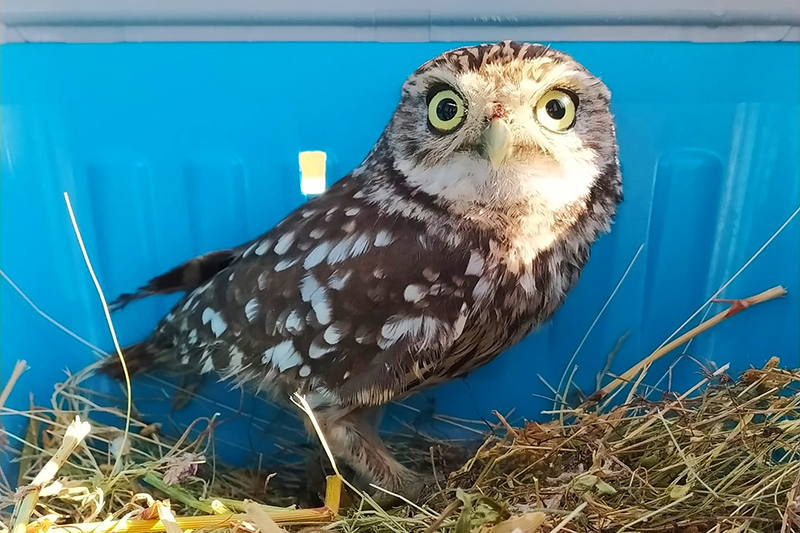
Oasys MiniHollywood, in collaboration with the Senator Hotels & Resorts Green Committee, has released a little owl (Athene noctua) for reintroduction into its habitat.

The liberation has taken place in the Finca de Olivar Ecológico Rafael Alonso, in the vicinity of the Tabernas Desert. This Mediterranean landscape, with its olive trees and bushes, is the perfect habitat for the little owl to survive and reproduce.

liberación mochuelo común

In this farm, the little owl will be able to perch in the olive trees to observe and hunt rodents and insects for food.

The Finca de Olivar Ecológico Rafael Alonso is committed to organic agriculture and obtains its products respecting the environment and the earth, without using chemical products and using the pulp of olives as food for sheep and goats and for the production of compost. In addition, 100% of the energy used in the olive grove is of photovoltaic origin and therefore renewable.


United for Biodiversity

With the release of the owl, at Oasys MiniHollywood we want to make clear the importance of reconnecting with nature. Thus, this small action has been carried out within the framework of the United for Biodiversity campaign launched by the European Commission.

The Iberian Association of Zoos and Aquariums (AIZA), of which Oasys MiniHollywood is a member, is a sponsor of this initiative that seeks to promote awareness of the crisis facing our planet, its wildlife and its flora. Thus, it makes a call to all zoos, national parks, aquariums, botanical gardens, science and natural history museums and research centers, to join forces and speak out for biodiversity. Now more than ever, we must support the important work of Conservation for Nature and the Environment carried out by all zoos in the world.

The campaign was presented within the framework of the World Summit on Biodiversity organized by the United Nations on September 30.

The world leaders present at this summit recalled that more than one million animal and plant species are threatened in the world. They also showed their commitment to reach a new agreement for the protection of biodiversity in 2021.


cartel united for biodiversity


rodaje-arizona-1878.jpg

1 octubre, 2020 MoviesWestern0

Oasys MiniHollywood Park is committed to supporting and disseminating projects by independent film directors co-producing films and short films such as Arizona 1878. A History of the Old West, directed by Manuel Olaya.

arizona 1878
This film has had a magnificent reception and rating in most of the competitions in which it has been presented. Taking into account selection and final ratings, the film has collected more than twelve international awards.

In addition, Manuel Olaya‘s western film short has been selected for the tenth edition of the Almería Western Film Festival, which will be held at Oasys MiniHollywood and Tabernas next week.
We hope that this Olaya production will obtain a similar recognition at the Almeriense contest. The collaboration between Oasys MiniHollywood and Manuel Olaya continues with a new film shot in different locations, including our film sets, which will be released in the coming months.

actores arizona 1878 una historia del viejo oeste


img_20200725_140435-e1595947471928.jpg

28 julio, 2020 Western0

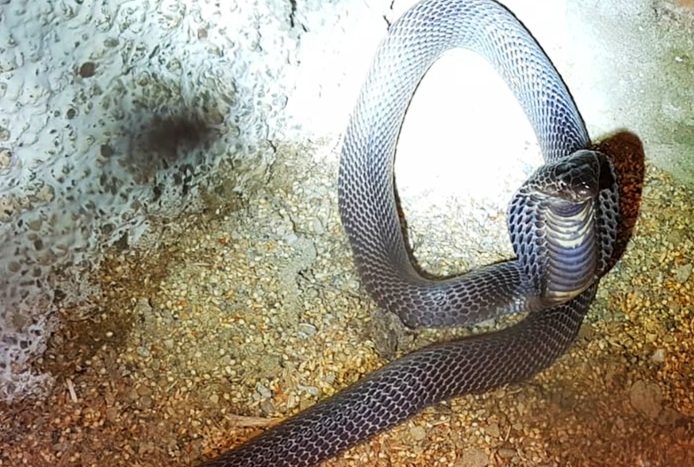
Last week the Nature Protection team of the Guardia Civil, Seprona, carried out the seizure of potentially dangerous animals, specifically poisonous snakes, among which were specimens of cobras, vipers and rattlesnakes.

To carry out this seizure as well as for the reception and preliminary care of the specimens, they were assisted by the staff and institutions of ARCO Spain, Oasys MiniHollywood and the Zoo of Castellar de La Frontera.

cobra incautada

At all times, animal welfare was ensured with the necessary safety and prevention conditions, as well as having the necessary protocols for handling this type of animals, including the banks of antidotes necessary to be able to handle these species.

Once again the Oasys MiniHollywood Park Conservation Department provides technical assistance to these special actions carried out by the Spanish authorities.


tipi_indio_portada.jpg

2 marzo, 2020 Western0

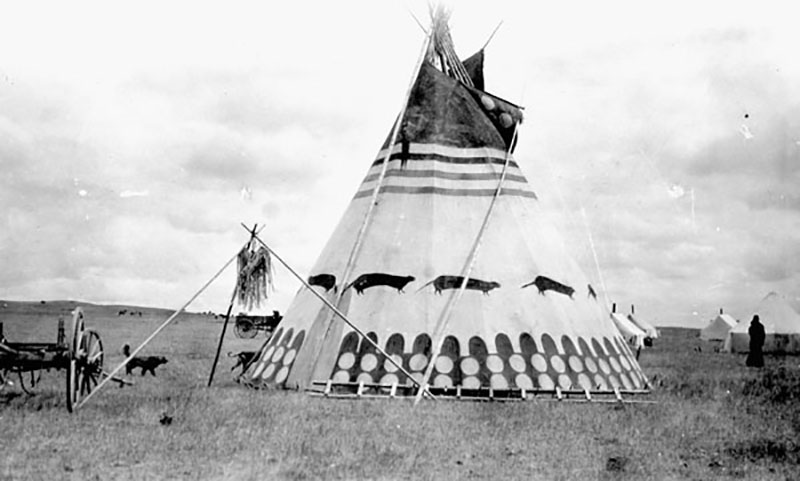
Learn about the Native American tipi and discover why it is one of the best designed homes for camping

Tipi

What is a Native American tipi?

If you have ever seen Peter Pan or any Western movie, you know what the homes of some North American tribes looked like in the 16th century.

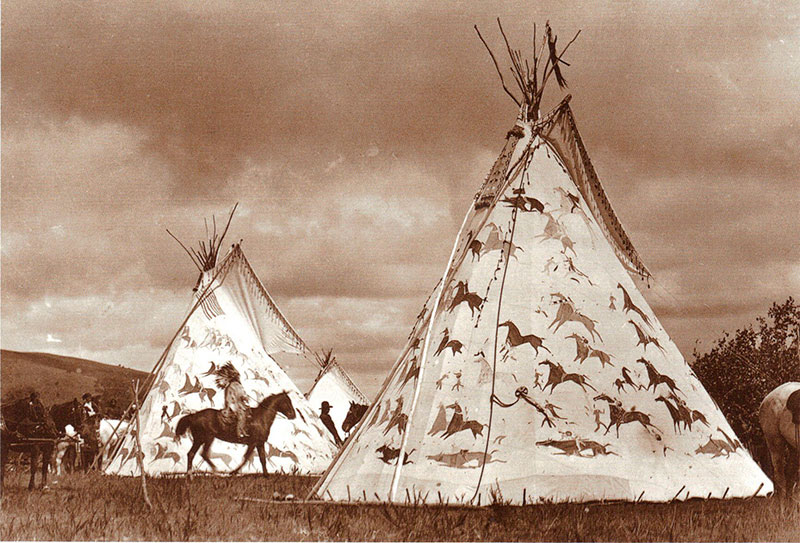
These tall and luminous white cones are called tipis, which means “home” or “place to live” in the Dakota Indian language. They were made from tanned animal hides, generally from buffalo, bison, elk, or antelope, and wooden poles, generally pine, as it was most abundant in the hills and valleys of the Rocky Mountains.

The tipis must always be raised pointing towards the East, as this is the point on the horizon where dawn breaks. Thanks to their ventilation, they stay cool in the summer and warm and cozy in the winter. They are resistant to rain and wind and their shape invites those in them to connect with nature and the spirit. The floor of the tent represents mother Earth, the ceiling father Sky, and each post of the tipi represents that path between man and the Great Spirit. Outside, the Native Americans tended to come together around a bonfire and take part in the cultural and spiritual customs of their tribe or clan.

History of the Native American tipi

The shape of tipis has not always been as we know them today. Due to the nomadic lifestyle of the majority of the clans and tribes that used them, they were forced to reinvent themselves and evolve their shelter according to the needs of the moment until eventually, the tipis looked like what we all know now.

Although it is difficult to determine when this culture was born, according to archeological remains and travel logs, we can say that the first tipi looked more like “two sticks holding up some hides” to protect the lodger from the sun, rain, or wind. Nothing like what we’ve seen in movies or studied at school, right?

It is possible that members of Francisco Vázquez de Coronado’s expedition (1540-1542) were the first Europeans to see tipis in the Native American camps of the Southwestern tribes. From the results of that expedition, we can conclude from the descriptions they wrote that the tipis used at that time were much smaller than customary.

Later on, thanks to the arrival of the Appaloosa horse, the tribes started to hunt bison on horseback, thus decreasing the risk of accidents and obtaining pelts and food in abundance. As reserves grew and exchange between clans became easier, the size of the tipi had to grow bigger. It went from being around 13 to 16.5 feet in diameter to around 26 to 29.5 feet in diameter in order to be able to more easily store belongings, pelts, food, and more.

Structure of the Native American tipi

The Indian tipi is a cone-shaped tent made of the hides of animals they hunted. One of the main advantages of its asymmetrical form is that it protects against the strong winds of the West.

What’s more, it has an interior lining. This layer helped spur on the chimney effect. A current of air moves between the outer and inner walls, which means that the air circulates well, preventing smoke from accumulating or, on the contrary, the condensation effect.

The women were the ones who assembled and moved the homes. They chose the location and organized how the village would be arranged. As they were “portable” homes, they generally could be set up and broken down in one or two hours, which facilitated their nomadic movements.

Structure of the Native American tipi

  1. Smoke ventilation
  2. Ventilation cover
  3. Lacing pins
  4. Rollable door
  5. Entrance
  6. Pegs for the lining
  7. Wood
  8. Firepit
  9. Chair
  10. Bed
  11. Tent pegs
  12. Poles for the smoke flap
  13. Lining
  14. Ozan
  15. Canvas
  16. Lashings

Types of Native American tipis

Despite the exchange of knowledge, every tribe and clan had some peculiarities when it came to creating and/or decorating each Indian tipi. Tribes’ own myths and cultural references could be seen through the decoration of their tents. Three basic prototypes stand out:

Dakota Tipi: The most notable aspect of this tipi is its vertical structure, which helps the rain quickly roll off of it. The top is reinforced in the area where the crossbars meet. The oval base tends to be structured around between twelve and fifteen long poles. It is considered by many to be the tipi that is easiest to repair and is practical and multi-functional.

Types of Native American tipis


Crow Tipi: This tipi is probably the most beautiful from an aesthetic point of view. The size of its extendible wings, used to help smoke escape, are in perfect harmony with the nearly conical shape of the tipi itself. The opening of the entrance is traditional and forms a lower-case “a” shape.

Crow Tipi


Blackfoot Tipi: Its design is most effective in dry, windy areas, as its shape is less vertical than others. The upper opening is more open in the area where the upper poles cross, which allows for rainwater to fall where the smoke exits. The most notable disadvantages of these tipis are that it takes longer to set them up and break them down and repairing them is more difficult.

Blackfoot Tipi


Sleeping in an Indian tipi

If you have never had the experience of spending the night with your friends in the middle of nature eating, singing, or telling stories around the camp fire and sleeping in a tent, protected from the cold and the night, then now is the time. We have so much to thank the Native Americans for. When you try out an Indian tipi, you’ll succumb to its magic and charm and will never forget the cozy, peaceful moments you spend in it. This experience is worth trying out at least once in your life.

As we’ve seen, a tipi is a perfect place to stay for a life spent in nature, but most of all, it’s the perfect excuse for an original getaway where you can soak up the culture of the North American Indian tribes. Feel at one with nature and experience the charm that these unique and beautiful homes can offer you!


guerra-indias4.jpg

16 enero, 2020 Western0

Famous Native American Wars o

Westward expansion brought about numerous wars between Native Americans and colonists during the 18th and 19th centuries. As had occurred before elsewhere on the American continents, the Native Americans rebelled against invasion and occupation. Some of the most bellicose tribes were the Sioux and the Apaches, whose battles and skirmishes against the United States Army have been portrayed in innumerable Westerns. In this post, we’ll tell you about some episodes of the most famous Indian wars of the 19th century.

The Apache Wars

The Apache conflicts began in the 16th century, when the Spanish arrived in the territories of Arizona and New Mexico. Conflict later continued with the Mexicans from the beginning of the 19th century until 1848, when these areas became United States territory. As a result of the discovery of gold in California and the consequent wave of immigrants who crossed this territory on their way to the West Coast, the situation with the Apaches worsened considerably.

The Apache Wars were conflicts that occurred between 1861 and 1886 in the territories of Arizona and New Mexico. Cochise, the Chiricahua Apache chief, led many of these battles against the United States Army alongside his father-in-law, Mangas Coloradas. There was a brief ceasefire in the wars after an agreement was made in which they agreed to live on a reservation in the Chiricahua Mountains and Sulphur Spring Valley, a sacred area for the tribe.

However, the conflicts continued with the famous chief Geronimo, who was born in Sonora and spoke Spanish. Despite being a very controversial figure—many of his actions did not always have the approval of his own people—he kept the United States government in check starting in 1876, with his refusal to accept that Indians were to be confined to reservations. This incited rebellion among many Apache tribes. Geronimo was arrested in the Sierra Madre Mountains in 1886. With his arrest, all the Apache Wars ended, as him and his followers were sent to faraway reservations in Florida and Oklahoma.

The Apache Wars

Sioux Indian Wars

As we explained in a previous post on American Indian tribes, the Great Sioux Nation was the name that the group of tribes who lived on the Great Plains was known by (Lakota, Dakota, and Nakota). The natural border of their territory was the Mississippi River. They were nomadic and hunted bison. They are one of the most well-known Indian tribes in part because they put up fierce resistance to the advances of the US conquest.

To understand the Sioux Indian Wars which broke out in the 19th century, you have to go back to 1803, when France sold the Louisiana Territory to the United States. This vast expanse of approximately 827,000 square miles stretched over fifteen modern day US states. This date marked the start of westward expansion.

Red Cloud’s War: 1866-1868

In 1851, the United States Government and the Sioux signed the first Treaty of Fort Laramie. With this peace agreement, the Native Americans promised to allow the construction of military forts on Indian territory and the passage of caravans towards the West. In exchange, the government recognized these lands as theirs.

However, constant violations of the treaty and incidents between the new arrivals and the natives lead to a breakdown of peace, which triggered what is known as Red Cloud’s War (1866 and 1868), in honor of the famous Sioux Indian Chief Red Cloud. He allied with the Cheyenne and Arapaho tribes to combat what they considered to be an abuse of the occupation of their territories.

Sioux Indian Wars

This Sioux Indian war is also known as the Powder River War, as the battles were triggered over control of this river, located in the center of Wyoming. The famous Bozeman trail, the main road that led to the Montana gold mines, also passes through here.

During this war, the Native Americans blocked the route, assaulting trains and attacking troops that were constructing forts. As a consequence, a second Treaty of Fort Laramie was signed in 1868. In it, the Lakota were recognized as having control of the Powder River territory and the Black Hills—the famous sacred hills—were recognized as a part of the Great Sioux Reservation. It also established hunting rights in the territories of South Dakota, Wyoming, and Montana.

The Black Hills War 1876-1877

Gold fever and rumors of the discovery of this mineral in the Black Hills motivated many migrants to cross these reservations’ territories; the government did nothing to stop them. These incursions on their territory did not sit well with the Sioux, who responded with assaults, leading to the violation of the treaty by both parties.

Various incidents triggered another Great Sioux War: The Black Hills War, also known as the Great Sioux War (1876-77). It was led by Sitting Bull and Crazy Horse, famous leaders of the Oglala and Hunkpapa tribes, who were well known to the United States Army.

The Battle of Little Bighorn: 1876

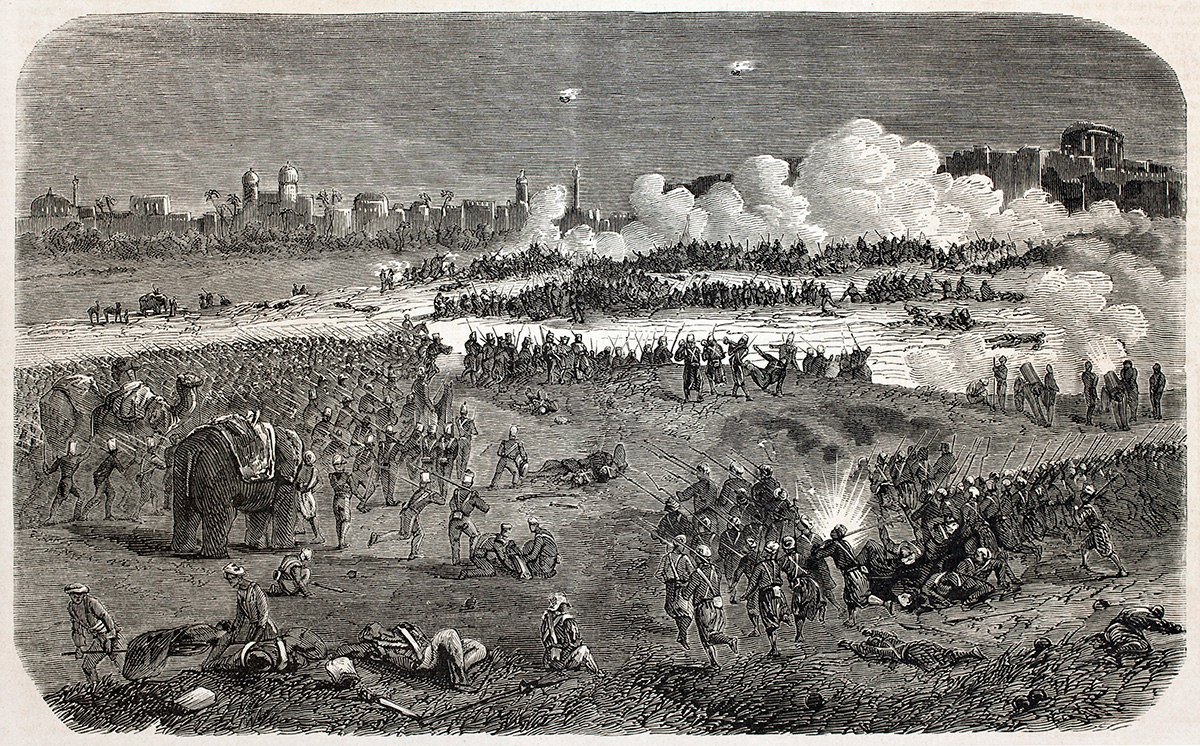
The most famous battle of all the Indian Wars is the Battle of the Little Bighorn. It took place in 1876 during the Black Hills War and was the greatest defeat of the United States military in their conflicts with native people. Between June 25 and 26, the Seventh Calvary Regiment, a force of more than 700 men led by Lieutenant Colonel George Armstrong Custer, was defeated. A total of 268 people died, including the Colonel.

It seems that one of the factors that played a role in the defeat was Custer’s unwise decision not to wait for reinforcements and attack before they arrived. Furthermore, his troops were divided into three columns that attempted to attack from different areas. They were also outnumbered by Indian warriors.
Native American Wars

It was a great victory for the Native Americans, but it had little impact afterwards, as the tribes were defeated in later battles. The Black Hills War ended with a new treaty in 1877 that was unfavorable for the Native Americans, as the Government took over their territories. This time, it was permanent.

The defeat was a point of no return in the Government’s intention of putting an end to the Indians. Since 1877, many military resources were invested in subduing and confining them to reservations. Indeed, all of the leaders fell except for Sitting Bull, who managed to flee to Canada.

The Wounded Knee Massacre: 1890

The Battle of Little Bighorn was followed by one of the darkest episodes in the history of the United States: The Wounded Knee Massacre (1890). In this incident, the Seventh Cavalry Regiment attacked the Pine Ridge Reservation population, causing nearly 300 deaths, the majority of which were women and children.

The Indian Wars finally ended with the surrender of Native American leaders and the tribes’ acceptance of living on reservations, which continue to exist today. If you want to learn more about the history of the Far West and Westerns, don’t miss out on visiting Oasys MiniHollywood.

congreso-eaza2-1200x631.jpg

27 diciembre, 2019 Western

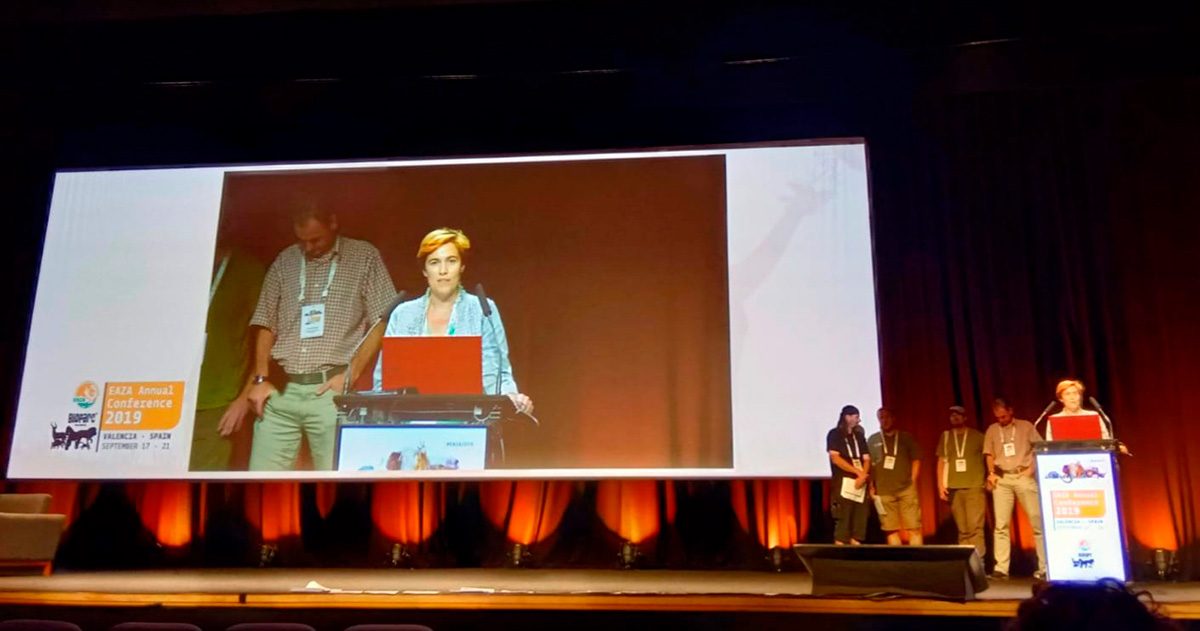
The Oasys MiniHollywood park participated again this year in the European Associations of Zoos and Aquaria (EAZA) Annual Conference, one of the most important events worldwide on the conservation of fauna and nature. It was held from September 17 to 22 at Bioparc Valencia.

EAZA is an association comprising more than one hundred institutions that work on conservation, research, and education. It aims to uphold the highest standards of care, breeding, and management of animals in zoological institutions.

More than 800 scientists from all over the world participated in the conference, including specialists on conservation, management, transportation, nutrition, and other aspects related to the species of wild animals in European zoos and aquaria.

Like every year, the Oasys MiniHollywood zoological reserve took part in these conferences, contributing its knowledge in order to take stock of the status of some threatened species. José María Rodríguez, Technical Director of the park, and Melody Cortés, conservationist and veterinarian, attended on behalf of Oasys MiniHollywood.

EAZA Annual Conference 2019

The zoological reserve participated in a more prominent manner in the feline working groups (Felid TAG), given that veterinarian Melody Cortés is the person in charge of the jaguarundi feline (Herpailurus yagouaroundi). This animal is especially threatened in the jungles of Mexico and Argentina due to habitat loss and human factors.

Cortés spoke to participants about the current condition of this species in captivity as well as the existing action plans to guarantee the survival and better conservation of the genetics of these specimens in the mid- and long-term, both in European and Latin American institutions.

During this meeting, other threatened species and different recovery plans were discussed, such as in the speech by Antonio Rivas Toñé, manager of the Conservation and Reintroduction project for the Iberian lynx (Lynx pardinus).

Antonio Rivas in EAZA Annual Conference 2019

In addition to a noteworthy presentation, he spoke of a very successful future for the extension of the lynx throughout a large part of the Iberian Peninsula, thus recuperating part of Spain’s native fauna given that by conserving this species, the entire Mediterranean ecosystem is preserved.

For another year, Oasys MiniHollywood took part in the largest annual conference on the protection and conservation of species and the environment.


old-west7-1-1200x800.jpg

27 diciembre, 2019 Western

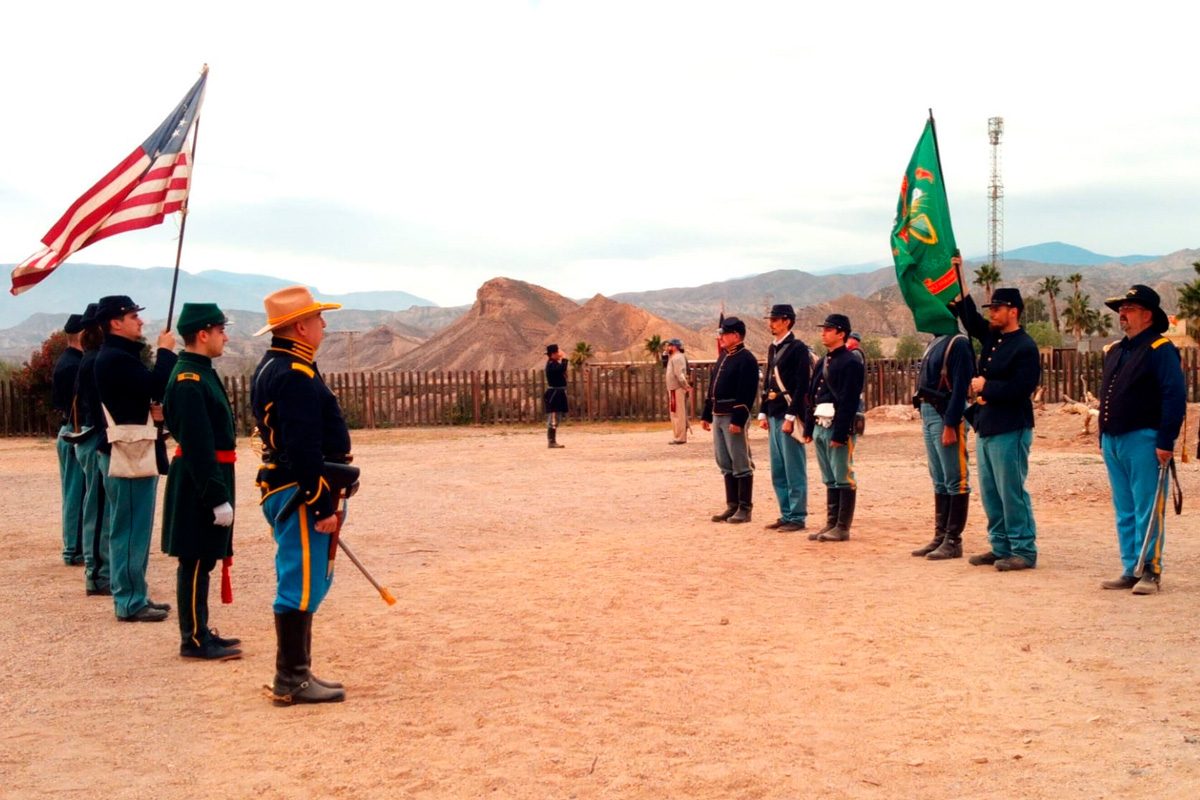
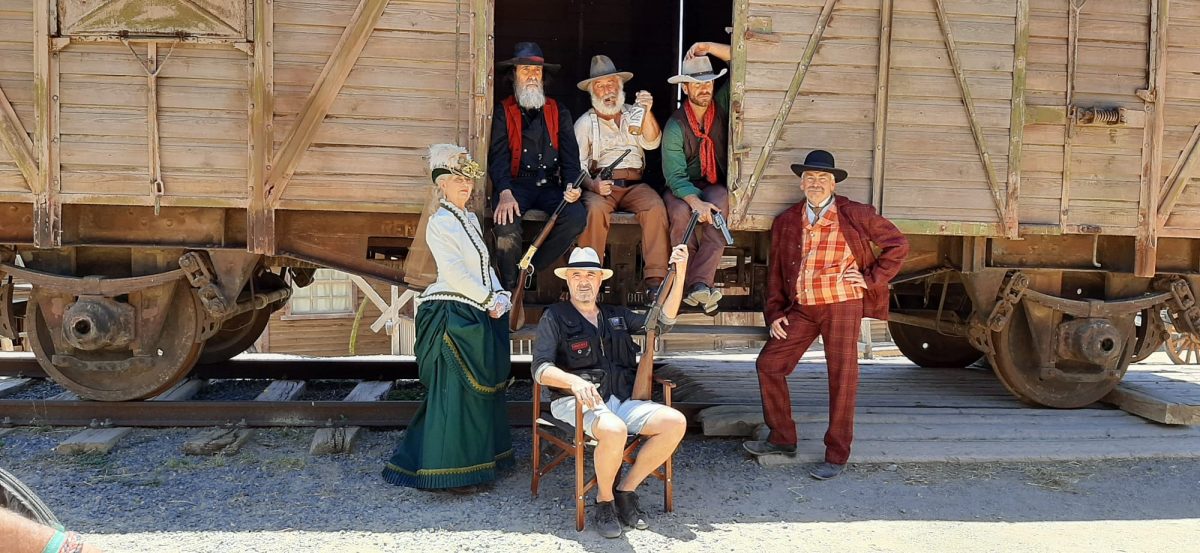
This past weekend, November 15 to 17, the Oasys MiniHollywood Western town, located in Tabernas (Almeria) hosted the International Historical Reenactment Old West History, the most renowned Western historical reenactment event in Spain. Attendance at this year’s edition was a great success.

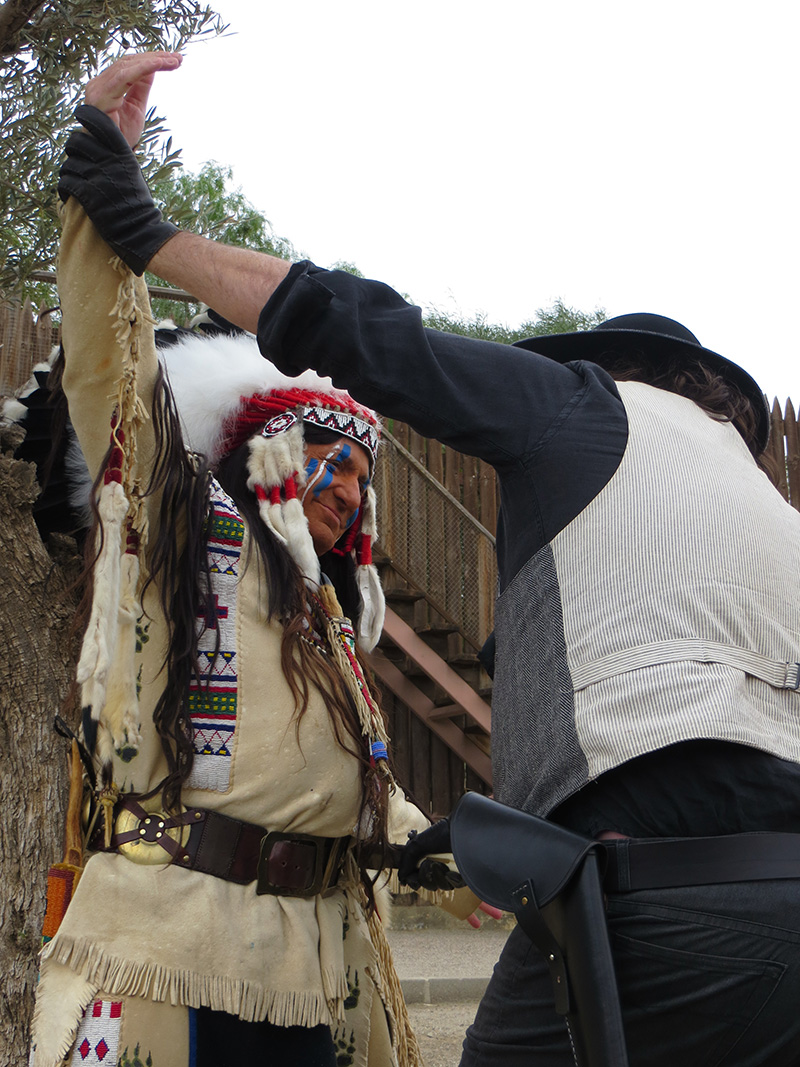
For two days, visitors from all over Spain and the world enjoyed numerous activities related to the Far West. These included reenactments of historical events and episodes such as the Gunfight at the O.K. Corral or the 1868 signing of the Treaty of Fort Laramie, which featured the special participation of the historian Raúl Matarranz.

In total, more than 200 historical reenactors from all over Spain and other countries such as France, Germany, and Argentina participated in the performances. Participants included Codex Belix, Imperial Service, and La Cruz de Victoria as well as international groups such as Go West or L’Epoque des Cavalcades.

Reenactments of legendary Far West personalities like Wyatt Earp, Buffalo Bill, Calamity Jane, and Crazy Horse, among many more, also took place with the participation of real actors. The Almeria reenactment group Far West Frontier was in charge of this activity.

Characters of Far West

What’s more, several conferences also took place, including “Tombstone: the Most Violent City in the West. Fact or Fiction?” by the historian Miguel Ángel Quero; “The United States Army in the Second Half of the 19th Century,” by Raúl Matarranz; and “The Weapons of the Old American West,” by Leonardo Jiménez.

One of the favorite activities among attendees was the exhibition of Playmobil dioramas -under the care of the Jorge Olaya family- and the Madelman of Valencia exhibition, both set up in the railway wagon. Another favorite was the “taming, lassoing, and riding in the West: the life of a cowboy.”

Throughout the weekend, attendees enjoyed typical American dishes such as Mexican chile, pork ribs, and other barbecue dishes at the Arizona buffet restaurant.

At 6:30 p.m. on Sunday, after the last of the activities, the closing ceremony of the Historical Reenactment was led by the organizers: Leonardo Jiménez, Manuel Olaya, and José María Rodríguez. They awarded certificates of participation to each of the reenactors who made this magnificent event possible.

This is the third edition of this event, which is unique in Spain. This year, there was a considerable increase in the size of the audience with respect to last year, establishing it as one of the most important events in the Western genre.

Third edition of Old West History