[bt_section][bt_row][bt_column width=»1/1″][bt_hr top_spaced=»topSpaced» bottom_spaced=»not-spaced» transparent_border=»noBorder» el_class=»» el_style=»» responsive=»»][/bt_hr][/bt_column][/bt_row][/bt_section]

img_20200725_140435-e1595947471928.jpg

28 julio, 2020 Western0

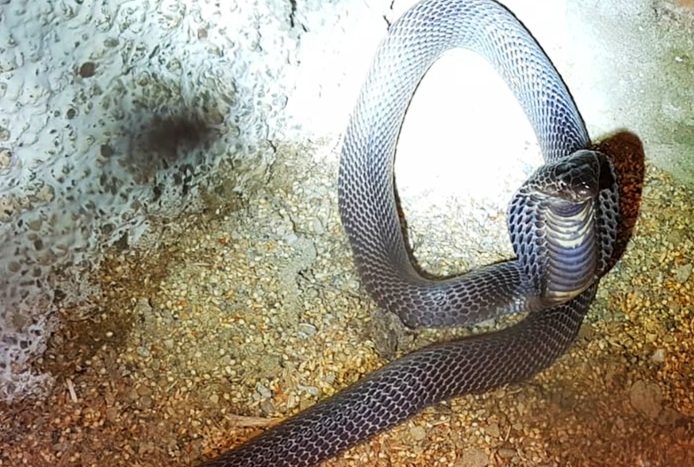
Last week the Nature Protection team of the Guardia Civil, Seprona, carried out the seizure of potentially dangerous animals, specifically poisonous snakes, among which were specimens of cobras, vipers and rattlesnakes.

To carry out this seizure as well as for the reception and preliminary care of the specimens, they were assisted by the staff and institutions of ARCO Spain, Oasys MiniHollywood and the Zoo of Castellar de La Frontera.

cobra incautada

At all times, animal welfare was ensured with the necessary safety and prevention conditions, as well as having the necessary protocols for handling this type of animals, including the banks of antidotes necessary to be able to handle these species.

Once again the Oasys MiniHollywood Park Conservation Department provides technical assistance to these special actions carried out by the Spanish authorities.


030_alta_oasys-vaqueros-1200x803.jpg

8 julio, 2020 NoticiasWestern0

Hace más de un año ya, tuve la suerte de participar en un concierto que Ennio Morricone daba en Madrid ante varios miles de entusiastas que desde el momento que ya apareció en el escenario, se dejaron llevar por este genio aún vivo. 

Hoy nos hemos enterado de que Ennio Morricone ha muerto. Al pensar en ello, recordé aquella tarde y las bandas sonoras que dedicó al Western, que junto con las películas de Sergio Leone y junto con las interpretaciones de los grandes actores que en ellas intervienen, nos pusieron en el mapa a todos los almerienses. 

Y de alguna manera, nos hicieron grandes. Hicieron grande a nuestro cine. 

Aunque después vendrían muchas películas diferentes, de géneros distintos, pero que desde ese día Ennio Morricone y Sergio Leone, nos hicieron importantes en el mundo del cine. 

Me gustaría pensar que también algún día no muy lejano el actor Clint Eastwood, pueda volver a pasear por todas las calles del Decorado Cinematográfico más importante de España: MiniHollywood.

Hasta siempre, Ennio. 

José María Rodríguez Linde 

Director Oasys MiniHollywood.


oasys_guepardo_reapertura_1920x420-1200x263.jpg

26 mayo, 2020 Noticias0


Oasys MiniHollywood ya tiene en el horizonte el día de su reapertura. Será el próximo 13 de junio cuando el parque temático abrirá de nuevo sus puertas y dará la bienvenida a una nueva época que se ha denominado «Tiempos Forajidos» en honor a las semanas que estamos viviendo la sociedad debido a la crisis sanitaria por Covid-19.

En este nuevo ciclo, el parque trae consigo novedades. La primera, la apertura los fines de semana de 10:00 a 19:00 horas. Este nuevo horario solamente será para el mes de junio, volviendo a la normalidad a partir de julio

Otra de las ventajas que trae “Tiempo forajidos” es la reducción del precio de las entradas: 19,90€ para adultos y 9,90€ para niños. Además, todos los visitantes podrán hacerse una foto de bienvenida a la entrada al parque para tenerla de recuerdo.

Debido a las medidas de higiene y protocolos de limpieza, quedan restringidos, de momento, aquellos lugares donde pueda haber aglomeraciones, como pueden ser los espectáculos del recinto, especialmente los de vaqueros y bailarinas de cancán en el Poblado del Oeste. En su lugar, podrán disfrutar de actuaciones des especialistas que mostrarán sus destrezas con las armas o el lazo. Asimismo, Oasys MiniHollywood trae nuevas propuestas al parque, como es la búsqueda de oro por el recinto, para hacer de sus visitas más agradables y divertidas.

El acceso a las piscinas y a la reserva zoológica seguirá como hasta ahora, pero  obedeciendo a los protocolos de limpieza, manteniendo los dos metros de distancia de seguridad, usando guantes o gel hidroalcohólico y mascarilla en todo el recinto. Con estas nuevas medidas de seguridad, la restauración también ha sufrido cambios. El servicio de buffet permanecerá cerrado temporalmente, pero en su lugar los visitantes podrán disfrutar de una sabrosa barbacoa en la cafetería de la reserva zoológica. Aparte, el chiringuito África ofrecerá comida rápida y en el bar salón, bebidas y snacks.


tipi_indio_portada.jpg

2 marzo, 2020 Western0

Learn about the Native American tipi and discover why it is one of the best designed homes for camping

Tipi

What is a Native American tipi?

If you have ever seen Peter Pan or any Western movie, you know what the homes of some North American tribes looked like in the 16th century.

These tall and luminous white cones are called tipis, which means “home” or “place to live” in the Dakota Indian language. They were made from tanned animal hides, generally from buffalo, bison, elk, or antelope, and wooden poles, generally pine, as it was most abundant in the hills and valleys of the Rocky Mountains.

The tipis must always be raised pointing towards the East, as this is the point on the horizon where dawn breaks. Thanks to their ventilation, they stay cool in the summer and warm and cozy in the winter. They are resistant to rain and wind and their shape invites those in them to connect with nature and the spirit. The floor of the tent represents mother Earth, the ceiling father Sky, and each post of the tipi represents that path between man and the Great Spirit. Outside, the Native Americans tended to come together around a bonfire and take part in the cultural and spiritual customs of their tribe or clan.

History of the Native American tipi

The shape of tipis has not always been as we know them today. Due to the nomadic lifestyle of the majority of the clans and tribes that used them, they were forced to reinvent themselves and evolve their shelter according to the needs of the moment until eventually, the tipis looked like what we all know now.

Although it is difficult to determine when this culture was born, according to archeological remains and travel logs, we can say that the first tipi looked more like “two sticks holding up some hides” to protect the lodger from the sun, rain, or wind. Nothing like what we’ve seen in movies or studied at school, right?

It is possible that members of Francisco Vázquez de Coronado’s expedition (1540-1542) were the first Europeans to see tipis in the Native American camps of the Southwestern tribes. From the results of that expedition, we can conclude from the descriptions they wrote that the tipis used at that time were much smaller than customary.

Later on, thanks to the arrival of the Appaloosa horse, the tribes started to hunt bison on horseback, thus decreasing the risk of accidents and obtaining pelts and food in abundance. As reserves grew and exchange between clans became easier, the size of the tipi had to grow bigger. It went from being around 13 to 16.5 feet in diameter to around 26 to 29.5 feet in diameter in order to be able to more easily store belongings, pelts, food, and more.

Structure of the Native American tipi

The Indian tipi is a cone-shaped tent made of the hides of animals they hunted. One of the main advantages of its asymmetrical form is that it protects against the strong winds of the West.

What’s more, it has an interior lining. This layer helped spur on the chimney effect. A current of air moves between the outer and inner walls, which means that the air circulates well, preventing smoke from accumulating or, on the contrary, the condensation effect.

The women were the ones who assembled and moved the homes. They chose the location and organized how the village would be arranged. As they were “portable” homes, they generally could be set up and broken down in one or two hours, which facilitated their nomadic movements.

Structure of the Native American tipi

  1. Smoke ventilation
  2. Ventilation cover
  3. Lacing pins
  4. Rollable door
  5. Entrance
  6. Pegs for the lining
  7. Wood
  8. Firepit
  9. Chair
  10. Bed
  11. Tent pegs
  12. Poles for the smoke flap
  13. Lining
  14. Ozan
  15. Canvas
  16. Lashings

Types of Native American tipis

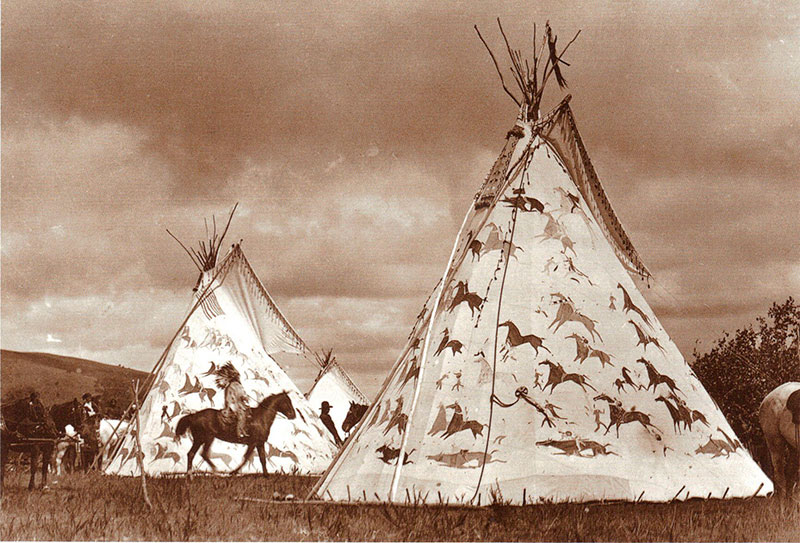
Despite the exchange of knowledge, every tribe and clan had some peculiarities when it came to creating and/or decorating each Indian tipi. Tribes’ own myths and cultural references could be seen through the decoration of their tents. Three basic prototypes stand out:

Dakota Tipi: The most notable aspect of this tipi is its vertical structure, which helps the rain quickly roll off of it. The top is reinforced in the area where the crossbars meet. The oval base tends to be structured around between twelve and fifteen long poles. It is considered by many to be the tipi that is easiest to repair and is practical and multi-functional.

Types of Native American tipis


Crow Tipi: This tipi is probably the most beautiful from an aesthetic point of view. The size of its extendible wings, used to help smoke escape, are in perfect harmony with the nearly conical shape of the tipi itself. The opening of the entrance is traditional and forms a lower-case “a” shape.

Crow Tipi


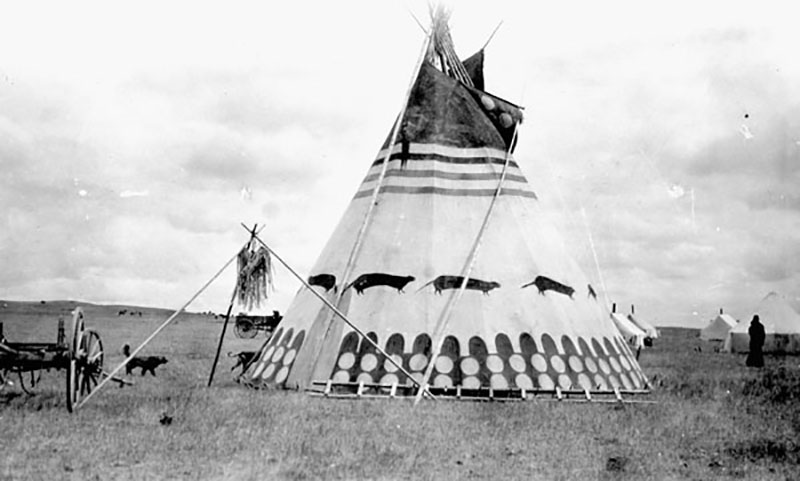
Blackfoot Tipi: Its design is most effective in dry, windy areas, as its shape is less vertical than others. The upper opening is more open in the area where the upper poles cross, which allows for rainwater to fall where the smoke exits. The most notable disadvantages of these tipis are that it takes longer to set them up and break them down and repairing them is more difficult.

Blackfoot Tipi


Sleeping in an Indian tipi

If you have never had the experience of spending the night with your friends in the middle of nature eating, singing, or telling stories around the camp fire and sleeping in a tent, protected from the cold and the night, then now is the time. We have so much to thank the Native Americans for. When you try out an Indian tipi, you’ll succumb to its magic and charm and will never forget the cozy, peaceful moments you spend in it. This experience is worth trying out at least once in your life.

As we’ve seen, a tipi is a perfect place to stay for a life spent in nature, but most of all, it’s the perfect excuse for an original getaway where you can soak up the culture of the North American Indian tribes. Feel at one with nature and experience the charm that these unique and beautiful homes can offer you!


tipi_indio_portada.jpg

2 marzo, 2020 Western0

Tipi indio, uno de los mejores hogares para acampada mejor concebidos

Tipi indio

¿Qué es un tipi indio?

Si alguna vez ha visto Peter Pan, o cualquier película de wéstern, sabrá cómo son las “casas” de aquellos indios de las tribus norte americanas que habitaban allá por el siglo XVI.

Estos altos y luminosos conos blancos denominados tipi, que significa «hogar» o «lugar para vivir» en la lengua de los indios Dakota; estaban fabricados con pieles curtidas de animales, generalmente del búfalo, bisonte, alce o antílope; y con palos de madera generalmente de pino, ya que eran los que más abundaban en las colinas y en los valles de las Montañas Rocosas.

Los tipis debían de levantarse orientado siempre al Este, ya que es el punto del horizonte por donde despunta el alba. Gracias a su ventilación, presentaban un ambiente fresco en verano y un entorno cálido y acogedor en invierno. Eran resistentes a la lluvia y al viento, y su morfología invitaba a conectar con la naturaleza y el espíritu. El suelo de la tienda representaba a la madre Tierra; la cubierta al cielo Padre; y cada poste del tipi representa el camino entre el hombre y el Gran Espíritu. En el exterior, los indios solían reunirse junto al fuego y llevaban a cabo las costumbres culturales y espirituales propias de su tribu o clan.

Historia del tipi indio

Las morfologías de los tipis no siempre han sido tal y como hoy las conocemos. Debido al propio modo de vida nómada de la mayoría de los clanes y tribus, éstos se vieron obligados a reinventarse e ir evolucionando su refugio según las necesidades del momento, hasta adoptar la apariencia que hoy conocemos todos.

Aunque es difícil precisar cuándo nació esta cultura, según restos arqueológicos y diarios de a bordo, podemos decir que el primer tipi se parecía más a «dos palos sujetando unas pieles» para proteger a su huésped del sol, la lluvia o el viento. Nada que ver con lo que hemos visto en las películas o estudiado en el colegio, ¿no?

Tal vez, fueron los integrantes de la expedición de Francisco Vázquez de Coronado (1540 – 1542) los primeros europeos que vieron los tipis en los campamentos nativos de las tribus del sudoeste. Del resultado de dicha expedición podemos concluir, por la descripción de los tipis de por aquel entonces, que éstos eran mucho más pequeños que de costumbre.

Más adelante, gracias a la llegada del caballo appaloosa a las tribus; se empieza a practicar la caza del bisonte a caballo, reduciendo así los riesgos de accidentes y procurando la abundancia de pieles y alimento. Al crecer las reservas y facilitar el intercambio entre clanes, el tamaño del tipi se ve obligado a aumentar, y pasa de los cuatro o cinco metros de diámetro a ocho o nueve, para poder así almacenar con más facilidad los enseres, pieles, comida…

Estructura del tipi indio

El tipi indio es una tienda con forma cónica hecha con las pieles de los animales que cazaban. Una de las principales ventajas de esta forma asimétrica es la de facilitar la protección de los fuertes vientos dominantes propios del Oeste.

Por otro lado, cabe destacar su forro interior. Esta capa servía para facilitar el efecto chimenea. Entre la pared exterior y la pared interior se produce una corriente. Esta hacía circular perfectamente el aire evitando así que se acumulase humo o, por el contrario, el efecto condensación.

Las mujeres eran quienes armaban y trasladaban las viviendas. Elegían la localización y organizaban la disposición del poblado. Al ser viviendas “portátiles”, generalmente podían armarse y desarmarse en una o dos horas, con lo que facilitaban sus desplazamientos nómadas.

Estructura del tipi indio

  1. Ventilación de humo
  2. Tapa de ventilación
  3. Pasadores de abrochadura
  4. Puerta enrollable
  5. Entrada
  6. Clavijas de forro
  7. Madera
  8. Hoyo para fuego
  9. Silla
  10. Cama
  11. Clavijas de toldo
  12. Mástiles para solapa de humo
  13. Forro
  14. Ozan
  15. Lona
  16. Trenza

Tipos de tipi indio

A pesar del intercambio de conocimientos, cada tribu y cada clan tenían unas peculiaridades a la hora de crear y/o decorar cada tipi indio. En ellas, en la decoración de sus tiendas se podría ver sus propios mitos y referencias culturales. Destacan tres como prototipos básicos:

Tipi Dakota: Lo más destacado de este tipi es su estructura vertical para favorecer que la lluvia resbale con rapidez. La cúpula aparece reforzada en el cruce de los travesaños. La base oval suele estructurarse en torno a entre doce y quince largos palos. Es considerado por muchos el tipi más fácil de reparar, práctico y multi-funcional.

Tipos de tipi indio

Tipi Crow: Este tipi es probablemente el más bonito desde un punto de vista estético. El tamaño de las alas extensibles para ayudar a la salida del humo armoniza a la perfección con la forma casi cónica del propio tipi. La abertura de entrada es la tradicional en forma de “A” mayúscula.

Tipi Crow


Tipi Blackfoot: Su diseño es el más eficaz en áreas secas y ventosas, ya que su morfología es menos vertical que las demás. La abertura superior es más abierta en la zona donde los palos superiores se cruzan, lo que permite que el agua de lluvia caiga sobre el escape de humos. Los inconvenientes más destacados de estos tipis es que son más lentos de montar y desmontar, y que su reparación es más difícil.

Tipi Blackfoot

Dormir en un tipi indio

Si usted nunca ha vivido la experiencia de pasar la noche con sus amigos en plena naturaleza comiendo, cantando o contando historias junto a la hoguera, y durmiendo resguardado del frío y de la noche, ahora es el momento. Tenemos mucho que agradecer a los indios. Cuando pruebe el tipi indio, sucumbirá a su magia y encanto, y no olvidará nunca los momentos acogedores y armoniosos que vivió en él. Toda una experiencia que deberá probar al menos una vez en la vida.

Como bien hemos visto, se trata del alojamiento perfecto para la vida en la naturaleza, pero sobre todo, es la excusa perfecta para hacer una escapada original, y empaparse de la cultura de las tribus norteamericanas indias. ¡Sienta la naturaleza y el encanto que pueden ofrecer estos particulares y bellos hogares!


ibis-eremita-3.jpg

26 febrero, 2020 EspeciesNoticias0

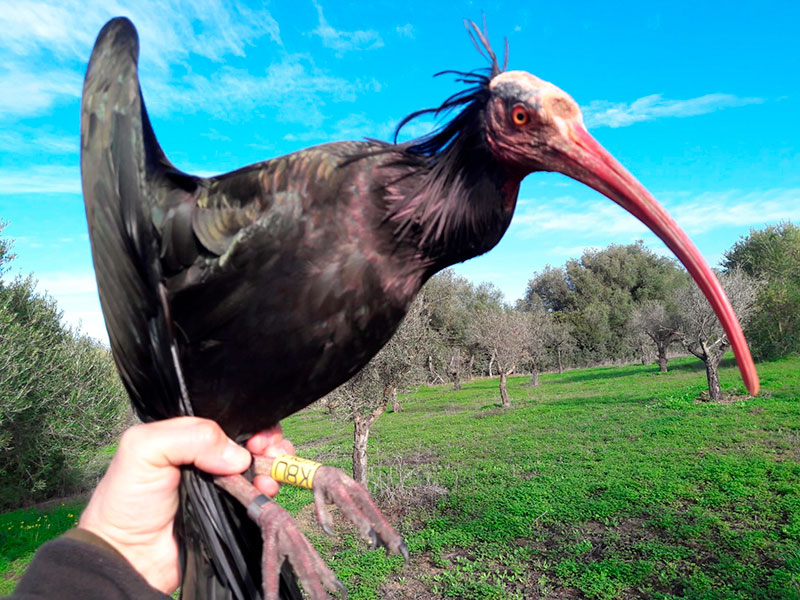
Tras años de espera y en constante observación podemos decir que Tabernas, el iris eremita que nació en Oasys MiniHollywood en 2017, se haya libre, en perfecto estado de salud y protegido en la colonia gaditana de los Acantilados, Barbate.

A pesar de que el ibis eremita es una de las cinco especies de aves más amenazadas del mundo (con protección mayor a la del lince ibérico), 2017 fue un año importante para Oasys MiniHollywood. En esta fecha nació Tabernas 17, un ibis eremita hembra que cuidamos con mucho cariño y que, para garantizar su supervivencia y población, pusimos en libertad.

Para poder seguir el rastro de nuestra pequeña Tabernas, le implantamos un equipo de seguimiento GPS. Felices, expectantes, pero también preocupados, estuvimos siguiendo los pasos de Tabernas durante su migración a África. Estuvo desplazándose por diferentes zonas geográficas, hasta su migración ahora hasta la colonia de los Acantilados de la población gaditana de Barbate.


Es en este lugar, junto con la Junta de Andalucía, el Zoológico de Jerez y otras organizaciones de ámbito conservacionista, donde llevamos realizando desde hace más de 10 años un proyecto de conservación fundamentado en crear una colonia estable para que estas especies de aves puedan vivir fuera de peligro y en libertad.

El equipo veterinario confirmó que Tabernas goza de un excelente estado de salud, por lo que esperamos que este año 2020 lleve a cabo su primera puesta de huevos con su nueva pareja de ibis eremita.

El Proyecto Eremita tiene como objetivo principal aumentar la población de las colonias que ya existen en libertad, así como conseguir poblaciones estables de estas aves en las zonas en las que desaparecieron hace mucho tiempo como, por ejemplo, en la costa mediterránea.

Desde, Oasys MiniHollywood queremos seguir aportando pequeños granitos de arena y contribuir a la Conservación de las Especies.

¡Buen vuelo y buena suerte, Tabernas!


ibis-eremita-3.jpg

26 febrero, 2020 Animals0

A few months ago we received confirmation that a Eremita Ibis chicken that had been born in Oasys Park in 2017, the female named Tabernas 17, had returned after her migration to Africa to the Colony of  Barbate Cliffs in the Cadiz population, where the Junta de Andalucía, the Jerez Zoo, Oasys MiniHollywood and other conservation organizations have been carrying out for more than 10 years, a Conservation project based on creating a stable colony in this location, since there are hardly any specimens in free life of this emblematic species.

The Eremita Project aims to increase the population of the colonies that already exist in the wild, as well as to achieve stable populations of these birds in areas where they disappeared a long time ago, such as on the Mediterranean coast.

Our female Tabernas had a GPS tracking equipment implanted, which has allowed her to be located during her migration to Africa through the wide area where she has been moving, as well as to be able to find her again in the colony, with the surprise of seeing her already paired.

After her capture, and after the necessary veterinary checks to verify that she was in perfect health and with the hope that it could be this year when she carried out her first laying and breeding with her partner, she was again released.

Oasys Minihollywood contributing small grains of sand in the Conservation of Species.

Good flight and good luck, Tabernas!


guerra-indias4.jpg

16 enero, 2020 Western0

Famous Native American Wars o

Westward expansion brought about numerous wars between Native Americans and colonists during the 18th and 19th centuries. As had occurred before elsewhere on the American continents, the Native Americans rebelled against invasion and occupation. Some of the most bellicose tribes were the Sioux and the Apaches, whose battles and skirmishes against the United States Army have been portrayed in innumerable Westerns. In this post, we’ll tell you about some episodes of the most famous Indian wars of the 19th century.

The Apache Wars

The Apache conflicts began in the 16th century, when the Spanish arrived in the territories of Arizona and New Mexico. Conflict later continued with the Mexicans from the beginning of the 19th century until 1848, when these areas became United States territory. As a result of the discovery of gold in California and the consequent wave of immigrants who crossed this territory on their way to the West Coast, the situation with the Apaches worsened considerably.

The Apache Wars were conflicts that occurred between 1861 and 1886 in the territories of Arizona and New Mexico. Cochise, the Chiricahua Apache chief, led many of these battles against the United States Army alongside his father-in-law, Mangas Coloradas. There was a brief ceasefire in the wars after an agreement was made in which they agreed to live on a reservation in the Chiricahua Mountains and Sulphur Spring Valley, a sacred area for the tribe.

However, the conflicts continued with the famous chief Geronimo, who was born in Sonora and spoke Spanish. Despite being a very controversial figure—many of his actions did not always have the approval of his own people—he kept the United States government in check starting in 1876, with his refusal to accept that Indians were to be confined to reservations. This incited rebellion among many Apache tribes. Geronimo was arrested in the Sierra Madre Mountains in 1886. With his arrest, all the Apache Wars ended, as him and his followers were sent to faraway reservations in Florida and Oklahoma.

The Apache Wars

Sioux Indian Wars

As we explained in a previous post on American Indian tribes, the Great Sioux Nation was the name that the group of tribes who lived on the Great Plains was known by (Lakota, Dakota, and Nakota). The natural border of their territory was the Mississippi River. They were nomadic and hunted bison. They are one of the most well-known Indian tribes in part because they put up fierce resistance to the advances of the US conquest.

To understand the Sioux Indian Wars which broke out in the 19th century, you have to go back to 1803, when France sold the Louisiana Territory to the United States. This vast expanse of approximately 827,000 square miles stretched over fifteen modern day US states. This date marked the start of westward expansion.

Red Cloud’s War: 1866-1868

In 1851, the United States Government and the Sioux signed the first Treaty of Fort Laramie. With this peace agreement, the Native Americans promised to allow the construction of military forts on Indian territory and the passage of caravans towards the West. In exchange, the government recognized these lands as theirs.

However, constant violations of the treaty and incidents between the new arrivals and the natives lead to a breakdown of peace, which triggered what is known as Red Cloud’s War (1866 and 1868), in honor of the famous Sioux Indian Chief Red Cloud. He allied with the Cheyenne and Arapaho tribes to combat what they considered to be an abuse of the occupation of their territories.

Sioux Indian Wars

This Sioux Indian war is also known as the Powder River War, as the battles were triggered over control of this river, located in the center of Wyoming. The famous Bozeman trail, the main road that led to the Montana gold mines, also passes through here.

During this war, the Native Americans blocked the route, assaulting trains and attacking troops that were constructing forts. As a consequence, a second Treaty of Fort Laramie was signed in 1868. In it, the Lakota were recognized as having control of the Powder River territory and the Black Hills—the famous sacred hills—were recognized as a part of the Great Sioux Reservation. It also established hunting rights in the territories of South Dakota, Wyoming, and Montana.

The Black Hills War 1876-1877

Gold fever and rumors of the discovery of this mineral in the Black Hills motivated many migrants to cross these reservations’ territories; the government did nothing to stop them. These incursions on their territory did not sit well with the Sioux, who responded with assaults, leading to the violation of the treaty by both parties.

Various incidents triggered another Great Sioux War: The Black Hills War, also known as the Great Sioux War (1876-77). It was led by Sitting Bull and Crazy Horse, famous leaders of the Oglala and Hunkpapa tribes, who were well known to the United States Army.

The Battle of Little Bighorn: 1876

The most famous battle of all the Indian Wars is the Battle of the Little Bighorn. It took place in 1876 during the Black Hills War and was the greatest defeat of the United States military in their conflicts with native people. Between June 25 and 26, the Seventh Calvary Regiment, a force of more than 700 men led by Lieutenant Colonel George Armstrong Custer, was defeated. A total of 268 people died, including the Colonel.

It seems that one of the factors that played a role in the defeat was Custer’s unwise decision not to wait for reinforcements and attack before they arrived. Furthermore, his troops were divided into three columns that attempted to attack from different areas. They were also outnumbered by Indian warriors.

Native American Wars

It was a great victory for the Native Americans, but it had little impact afterwards, as the tribes were defeated in later battles. The Black Hills War ended with a new treaty in 1877 that was unfavorable for the Native Americans, as the Government took over their territories. This time, it was permanent.

The defeat was a point of no return in the Government’s intention of putting an end to the Indians. Since 1877, many military resources were invested in subduing and confining them to reservations. Indeed, all of the leaders fell except for Sitting Bull, who managed to flee to Canada.

The Wounded Knee Massacre: 1890

The Battle of Little Bighorn was followed by one of the darkest episodes in the history of the United States: The Wounded Knee Massacre (1890). In this incident, the Seventh Cavalry Regiment attacked the Pine Ridge Reservation population, causing nearly 300 deaths, the majority of which were women and children.

The Indian Wars finally ended with the surrender of Native American leaders and the tribes’ acceptance of living on reservations, which continue to exist today. If you want to learn more about the history of the Far West and Westerns, don’t miss out on visiting Oasys MiniHollywood.


guerra-indias4.jpg

16 enero, 2020 Western2

Las guerras indias más famosas

La conquista del Oeste trajo consigo numerosas guerras entre nativos americanos y colonos durante los siglos XVIII y XIX. Como había sucedido anteriormente en otras partes del continente americano, los indios se rebelaron ante la invasión y ocupación. Algunos de los pueblos más beligerantes fueron los sioux y los apaches, cuyas batallas y escaramuzas contra el ejército de los Estados Unidos han sido retratadas en innumerables westerns. En este post contamos algunos episodios de las guerras indias más famosas del siglo XIX. 

Guerras apaches 

Los conflictos apaches existían desde el siglo XVI, cuando los españoles llegaron a los territorios de Arizona y Nuevo México y, posteriormente, continuaron con los mexicanos a principios del siglo XIX hasta 1848, cuando estas zonas pasaron a ser territorio estadounidense. Sin embargo, fue a raíz del descubrimiento del oro en California y el consiguiente oleaje de inmigrantes que cruzaban este territorio rumbo a la Costa Oeste, cuando la situación con los apaches empeoró considerablemente.  

Las guerras apaches fueron los conflictos que se desarrollaron entre 1861 y 1886 en los territorios de Arizona y Nuevo México. Cochise, jefe apache chiricahua, lideró muchas de estas batallas contra el ejército estadounidense junto con su suegro Mangas Coloradas. Las guerras vivieron un breve alto al fuego con un acuerdo por el que pactaron vivir dentro de una reserva en los montes Chiricahua y el valle de Sulphur Spring, un área sagrada para ellos.

Sin embargo, los conflictos continuaron con el famoso jefe Gerónimo, quien había nacido en Sonora y hablaba español. A pesar de ser un personaje muy controvertido -ya que muchas de sus acciones no siempre contaron con la aprobación de su propio pueblo- puso en jaque al gobierno estadounidense a partir 1876, con su negativa a aceptar que los indios fueran recluidos en reservas, lo que fomentó las rebeliones de muchas tribus apaches. Pero Gerónimo fue detenido en 1886 en Sierra Madre, y con su detención acabaron todas las guerras apaches, ya que él y sus seguidores fueron enviados a otras reservas lejanas en Florida y Oklahoma. 

Guerras apaches 

Guerras indias sioux 

Como ya explicamos en un anterior post sobre los pueblos indios americanos, la gran nación sioux era el nombre con el que se conocía al conjunto de tribus (lakotas, dakotas y nakotas) que habitaban en las Grandes Llanuras, teniendo como frontera natural el río Mississippi. Eran nómadas y se dedicaban a la caza de bisontes. Son uno de los pueblos indígenas más conocidos porque opusieron una gran resistencia al avance de la conquista estadounidense. 

Para entender las guerras indias sioux que se desencadenaron en el siglo XIX, hay que remontarse a 1803, cuando Francia vendió a los Estados Unidos el territorio de Luisiana, una vasta extensión de más de dos millones de kilómetros cuadrados que comprendía hasta quince de los actuales estados de EE.UU. Esta fecha marcó el comienzo de la conquista del Oeste. 

Guerra de Nube Roja: 1866-1868 

En 1851, el gobierno de los Estados Unidos y los sioux firmaron el primer Tratado del fuerte Laramie. Con este acuerdo de paz, los nativos se comprometían a permitir la instalación de fuertes militares en territorio indio y el paso de caravanas hacia el Oeste. A cambio, el Gobierno reconocía estos territorios como suyos.  

Sin embargo, las continuas violaciones del tratado y los incidentes entre los nuevos pobladores y nativos, llevaron a una ruptura de la paz que desencadenó la conocida como Guerra de Nube Roja (1866 y 1868), en honor al famoso jefe indio sioux Nube Roja. Este se alió con las tribus de los cheyenne y de los arapahoes para combatir lo que consideraban un abuso de la ocupación de sus territorios. 

Guerras indias sioux 

Esta guerra india sioux también es conocida como la guerra del río Powder, ya que las batallas se desataron por el control de este río ubicado en el centro de Wyoming. Además, por aquí transcurría la famosa ruta Bozeman, el camino principal que conducía a los campos de oro de Montana. 

Durante esta guerra, los nativos llegaron a bloquear la ruta, ejecutaron asaltos a los trenes y atacaron a las tropas que participaban en la construcción de fuertes. Como consecuencia de esta guerra se firmó un segundo Tratado de Laramie en 1868 por el que se reconocía el control del territorio del río Powder a los lakota, así como las Black Hills -las famosas colinas sagradas-, como parte de la gran reserva sioux. También se establecían derechos de caza en territorios de Dakota del Sur, Wyoming y Montana. 

Guerra de Black Hills: 1876-1877

La fiebre del oro y los rumores sobre el descubrimiento de este mineral en las Black Hills motivaron a muchos migrantes a cruzar los territorios de estas reservas. Mientras tanto, el gobierno no hacía nada por impedirlo. Estas incursiones en su territorio no sentaron nada bien a los sioux, que respondieron con asaltos, causando la violación del tratado por ambas partes. 

Los diversos sucesos desencadenaron una nueva guerra india sioux, la guerra de Black Hills o también conocida como la Gran Guerra Sioux (1876-77), liderada por Toro Sentado y Caballo Loco, otros famosos líderes de las tribus oglala y hunkpapa bien conocidos por el ejército de los Estados Unidos.

Batalla de Little Big Horn: 1876 

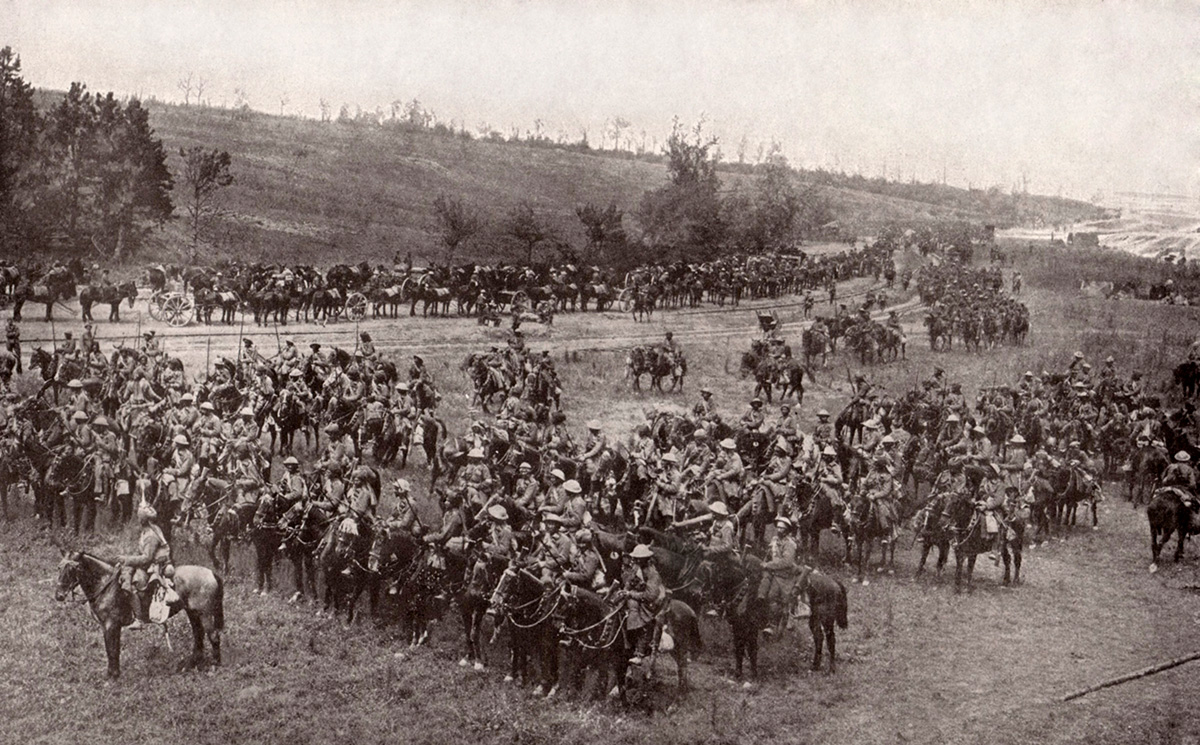
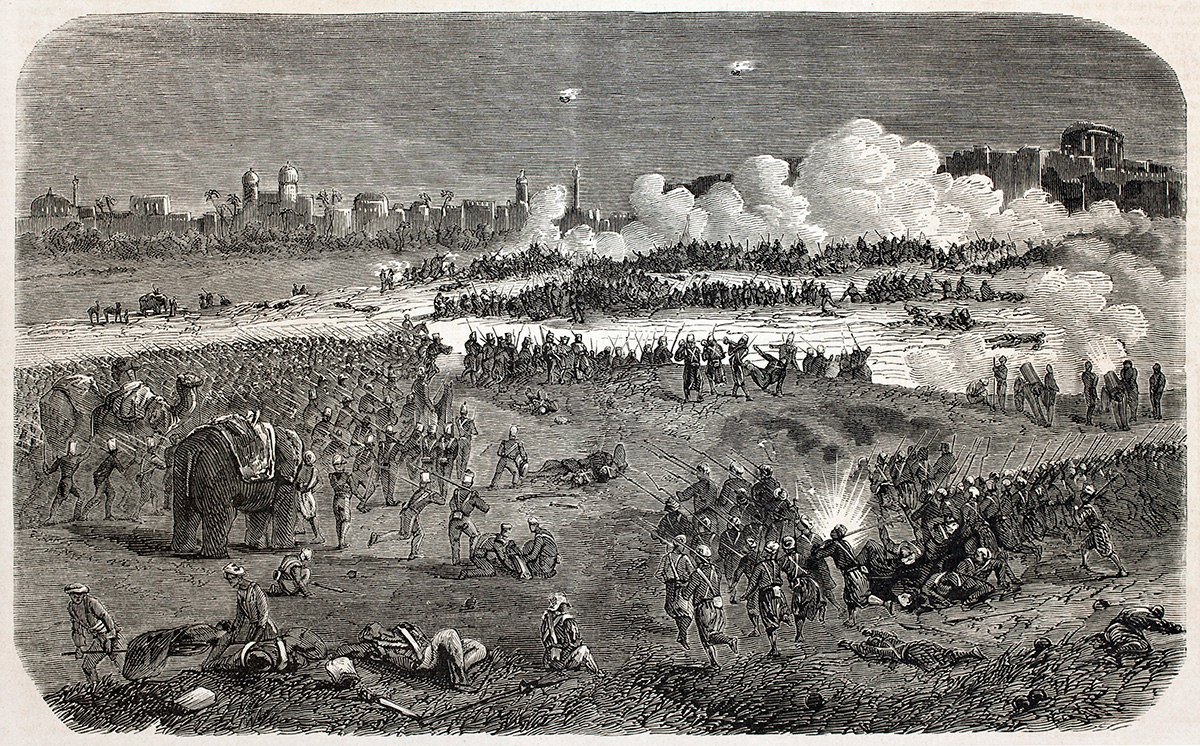
La batalla más famosa de todas las guerras indias fue Little Big Horn, ocurrida en 1876, en el marco de la guerra de Black Hills, y supuso la mayor derrota militar estadounidense contra los nativos. Entre los días 25 y 26 de junio, el Séptimo Regimiento de Caballería, una fuerza de unos 700 hombres liderada por el teniente coronel George Armstrong Custer, fue derrotado, causando 268 muertes, incluida la del coronel.

Al parecer, uno de los factores de la derrota fue la desacertada decisión de Custer de no esperar refuerzos y asaltar antes de tiempo, así como la división de las tropas en tres columnas que pretendían atacar desde puntos distintos, cuando los guerreros indios les superaban en número.
guerras indias

Fue una gran victoria para los nativos, pero con escaso impacto posterior, ya que las siguientes batallas se saldaron con derrotas por parte de las tribus. La guerra de Black Hills acabó con un nuevo tratado en 1877, desfavorable para los nativos, ya que el Gobierno se apoderó de sus territorios. Esta vez, de forma definitiva. 

La derrota supuso un punto de no retorno en el propósito del Gobierno de acabar con los indios. Desde 1877 se invirtieron numerosos recursos militares para reducirlos y confinarlos en reservas. De hecho, todos sus líderes fueron cayendo, excepto Toro Sentado, que consiguió huir a Canadá. 

Masacre de Wounded Knee: 1890

A la batalla de Little Big Horn le siguió uno de los episodios más oscuros de la historia de Estados Unidos, la conocida como masacre de Wounded Knee (1890), en la que el Séptimo Regimiento de Caballería atacó a la población de la reserva Pine Ridge, causando alrededor de 300 muertes, de las cuales la mayoría fueron de mujeres y niños. 

Las guerras indias tuvieron su final con la rendición de sus líderes y la aceptación de vivir en reservas, que continúan existiendo en la actualidad. Si quiere conocer más historia sobre el Lejano Oeste y los westerns, no se pierda visitar Oasys MiniHollywood.

futbol-almeria.jpg

15 enero, 2020 Noticias0

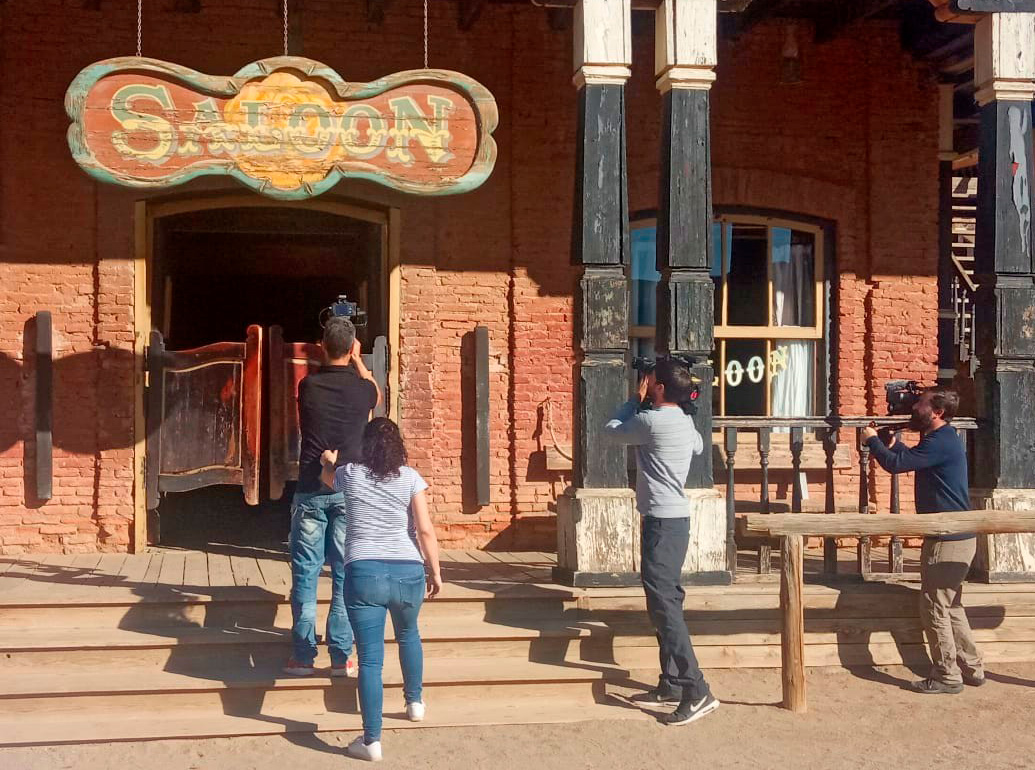
El pasado mes, la Unión Deportiva de Almería (UDA), realizó una visita por los paisajes y monumentos más emblemáticos de la provincia de Almería. Dentro de su recorrido por la provincia, dedicaron una parada al desierto de Tabernas y también al parque temático Oasys MiniHollywood, uno de los lugares más emblemáticos de la provincia.

El motivo de la visita del UDA se debe a la grabación de un documental que se emitirá en Arabia Saudí con el objetivo de acercar el club de fútbol a los ciudadanos saudíes. En él se mostrará la historia del equipo y los paisajes de la provincia de Almería.

El pasado mes de agosto, el jeque árabe Turki Al-Sheikh compró el club de fútbol de Almería por el valor de 20 millones de euros. El nuevo propietario del equipo, de tan solo 38 años, ha emprendido un ambicioso proyecto con el que aspira a convertir al club almeriense -hasta ahora en Segunda División- en uno de los más importantes del país. Para ello, ha realizado numerosos cambios en la plantilla, con numerosos fichajes en muy poco tiempo.

Con este documental, el jeque saudita pretende que potenciales aficionados puedan situar su nueva adquisición deportiva en el mapa. Además, para la grabación acudieron algunas de las modelos más conocidas de su país, que fueron las protagonistas del rodaje en nuestras instalaciones.